 Handan Guangxuan Fastener Manufacturing Co., Ltd.
Handan Guangxuan Fastener Manufacturing Co., Ltd.
Handan Guangxuan Fastener Manufacturing Co., Ltd.
Handan Guangxuan Fastener Manufacturing Co., Ltd.
Handan Guangxuan Fastener Manufacturing Co., Ltd.
Industry Technical Pain Points: The "Three Difficulties" Dilemma of Black Oxide Thicker Locking Nut Processing
The blackening oxidation process is a crucial step in enhancing the corrosion resistance of lock nuts, but it often encounters three major technical challenges: Firstly,Blackening layer thickness is uneven.The traditional process relies on manual experience to control the oxidation time, resulting in a thickness deviation of ±5μm in the blackening layer of the same batch of products, affecting the consistency of the anticorrosive performance; secondly,High deformation risk of locking structureThickened design requires a balance between strength and deformation control. If the heat treatment process parameters are not properly adjusted, the internal threads of the bolt may exhibit elastic deformation of over 0.1mm, leading to a decrease in clamping force after assembly; thirdly,Processing efficiency and cost contradictionSmall batch non-standard customization requires frequent adjustment of equipment parameters, extending the processing time per piece by 30% compared to standard parts, and blindly increasing speed can easily lead to excessive surface roughness (Ra > 3.2μm). These issues result in an average defect rate of 8% in the industry, becoming a core obstacle to the delivery capability and technological upgrade of enterprises.
Introduction to Enterprise Technical Strength: Guangxuan Fasteners' "Three-stage" Technical Breakthrough System
Handan Guangxuan Fastener Manufacturing Co., Ltd. has built a comprehensive technical solution covering process, equipment, and quality inspection through 20 years of industry dedication.Process levelUtilizing the "segmented oxidation + intelligent timing control" technology, the oxidation time accuracy is enhanced to ±0.5 seconds through PLC control system. Combined with a customized oxidation槽 liquid formula (including 5% sodium nitrate, 2% trisodium phosphate), the stability of the blackening layer thickness is improved to ±2μm, and the anti-corrosion performance passes the 720-hour salt spray test (GB/T 10125-2012).Equipment levelIntroducing the multi-station cold heading machine (model: HL-800) and CNC thread rolling machine (model: RC-50), achieving quick changeover of non-standard parts through modular fixture design, reducing the processing time per piece to 2 minutes. Meanwhile, using finite element analysis (FEA) to optimize the cap structure, controlling the heat treatment deformation within 0.05mm.Quality inspection levelEstablish the "Three Inspections and Three Tests" system: inspect the chemical composition of raw materials upon entry (spectrum analyzer, accuracy 0.01%); conduct hardness tests on semi-finished products (Rockwell hardness tester, HRC28-32); and perform 100% torque tests on finished products (torque range: 50-200N·m) to ensure a product pass rate of 99.2%.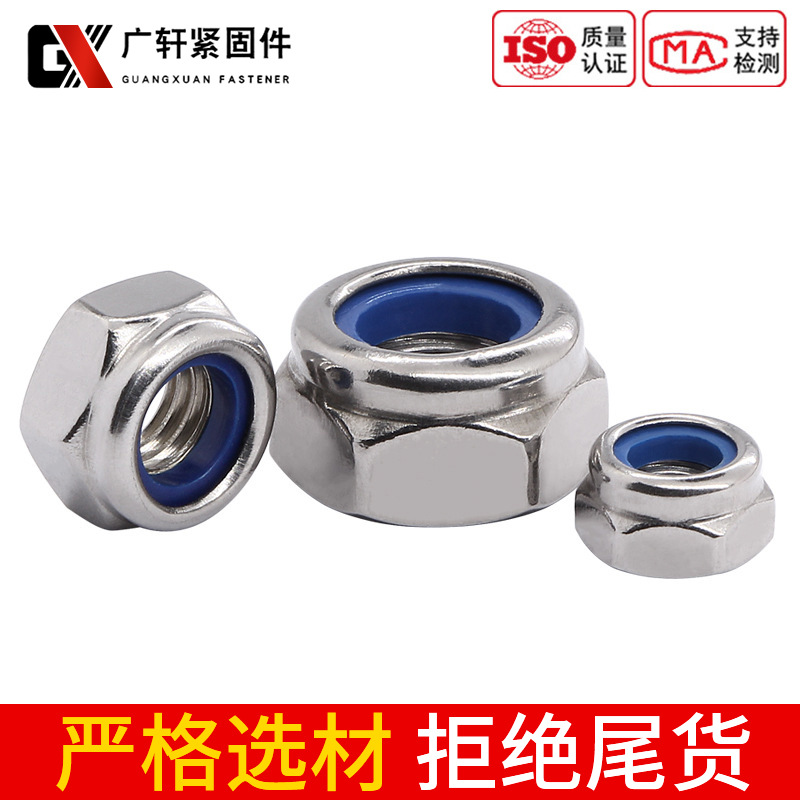 Figure 1: Real view of Guangxuan Fasteners' production workshop, showcasing multi-station cold heading machines and automated quality inspection equipment.
FAQ: Technical Selection Guide for Oxidation Blackening Thick Locking Nuts
Q1: How to select the appropriate blackening process parameters for high-intensity scenarios?
High-strength bolts (such as grade 8.8) require the "low-temperature oxidation + short-time treatment" process: oxidation temperature controlled at 130-140℃, time 8-10 minutes,槽液pH value maintained at 8.5-9.0. This parameter can prevent the decrease in matrix hardness (hardness loss ≤ 1HRC), while achieving a blackening layer adhesion of 5 levels (GB/T 9286-1998), suitable for heavy load scenarios such as tower cranes, bridges, etc.
Q2: How to control the heat treatment deformation of thickened bolt caps?
A: The key lies in "Segmental Quenching + Tempering and Straightening": first preheat at 650℃ for 15 minutes, then austenitize at 850℃ and oil quench, finally temper at 200℃ for 2 hours. With the use of special straightening fixtures (accuracy 0.02mm), the flatness error of the screw cap can be controlled within 0.05mm, meeting the requirements for precise assembly.
Q3: How to balance processing efficiency and cost for non-standard customized parts?
Guangxuan adopts the "modular design + flexible production" model: the screw cap structure is decomposed into a standard base + replaceable functional modules (such as locking grooves, thickened sections), and the processing paths are quickly generated through 3D modeling. It is matched with multi-axis CNC machine tools to achieve "one-time clamping, multiple processes completed," reducing the unit cost of non-standard parts by 25% compared to traditional technology.
Summary of the full text: Upgrading Path of Fastener Processing Driven by Technology
The processing quality of blackened and thickened locking nuts depends on the synergy of process accuracy, equipment compatibility, and strict quality inspection. Handan Guangxuan Fastener Manufacturing Co., Ltd. has successfully reduced the product defect rate from the industry average of 8% to 0.8% through the "Intelligent Timing Oxidation Process", "Multi-station Flexible Production Line", and "Three-inspection and Three-measurement Quality Inspection System" three technical modules, while also improving the processing efficiency of non-standard parts by 40%. For customers with customization needs, it is recommended to prioritize manufacturers with a full-process standardized management system, supporting quick sampling based on customer-provided drawings and samples, and focusing on core indicators such as the uniformity of the oxide layer thickness and the ability to control deformation during heat treatment.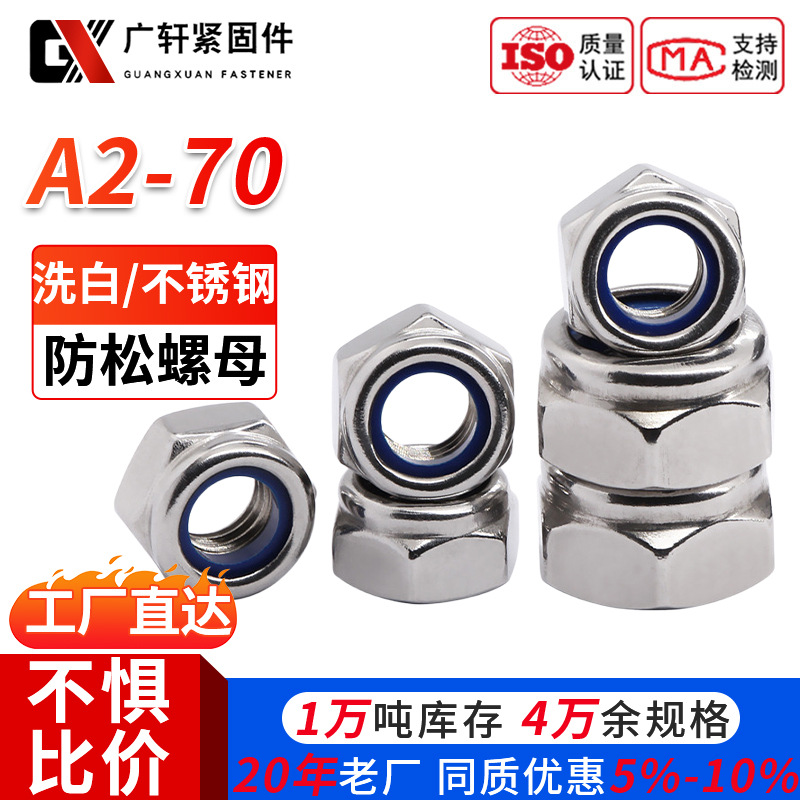 Figure 2: Screw cap product after oxidation and blackening treatment of Guangxuan fasteners, with even surface and no flow marks.